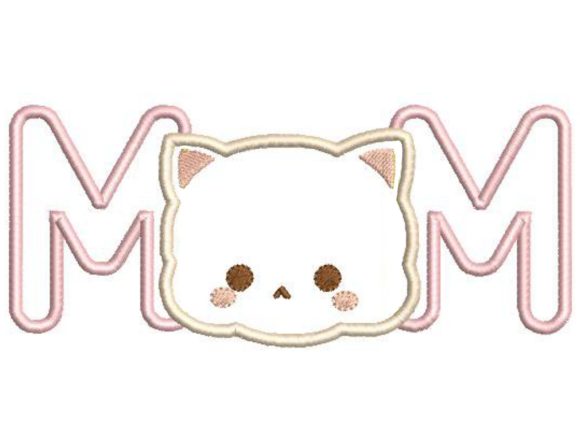
Mom Appliqué: A Versatile Design for Craft Fair Success
As an embroidery designer preparing for a weekend craft fair, every design in my library gets a critical review. When I look at the Mom Appliqué machine embroidery design, my first thought is about its potential on the table. The title suggests a sweet, heartfelt theme, perfect for the described Mother's Day category. This isn't a bold or modern graphic; it leans into a classic, cute, and soft aesthetic. That’s a powerful niche at handmade markets, where emotional connection drives purchases.
First Impressions and Display Potential
The word Appliqué in the name hints at a design that might incorporate fabric layers or have a dimensional feel, even if executed purely with stitches. This immediately suggests applications like patches or pillow covers where that texture can shine. On a crowded booth table, designs need to grab attention from a few feet away. Mom Appliqué has the advantage of a universally understood theme. On a tote bag or apron, it communicates its message quickly: this is a gift for mom, a celebration of motherhood, a homemade treasure. That instant recognition is gold for craft fair sellers.
Visual appeal on the actual product is everything. I imagine this design on a natural linen tea towel or a canvas market bag. It should feel decorative and premium, elevating a simple functional item into a giftable handmade product. For boutique makers, this consistency in quality—where the design looks integrated and professional—builds brand trust. A customer touching an embroidered pillow cover with this design is evaluating the stitch quality, the thread colors, and the overall finish. Mom Appliqué must be executed flawlessly to pass that tactile inspection.
Product Performance: Where This Design Shines
Let’s walk through the real-world products I’d consider for my booth.
Tote Bags, Aprons, and Kitchen Textiles
For tote bags and aprons, the design scale is crucial. Is it a large focal piece or a smaller accent? Without knowing the exact included sizes from the description, I’d need to test. As a focal point on a tote, it could be very effective. On an apron, placement on the pocket or across the bib would make a charming statement. Tea towel embroidery is a staple, but here fabric texture matters. On a textured towel, small details or tiny lettering within the design could lose clarity. A clean, slightly bold rendition of Mom Appliqué would work best here.
Caps, Patches, and Small Accessories
Caps present a curved, challenging surface. Dense stitch areas in the design might pucker on a cap’s structured fabric; a lighter stitch density is preferable. As an embroidered patch, Mom Appliqué could be fantastic. Patches are versatile, low-cost to produce, and highly popular. They can be sold as-is or applied to pouches, jackets, or blankets. For small fabric pouches or pillow covers, this design adds that handmade quality that increases perceived value. It turns a simple sewn item into a specialized, themed product.
Booth Samples and Online Presence
For the booth itself, having a beautifully embroidered sample—say, a crisp pillow cover—acts as a silent salesman. It shows the design’s potential. For my Etsy listings or online shop, photographing products with this design requires attention. Does it pop on dark fabric? I’d test thread contrast carefully. A light design on a dark tote bag can be stunning but may require different stabilizer techniques. Creating at least one real physical mockup is non-negotiable before batch production. It reveals everything: thread tension, design clarity, and true color interaction.
Practical Production and Selling Points
Turning a digital embroidery file into a sellable craft fair product involves practical hurdles.
Batch Production and Repeatability: If Mom Appliqué is straightforward without overly complex color changes or minute details, it becomes excellent for batch production. I can efficiently run it on multiple tea towels or pouches, ensuring my inventory is ready. The description mentions multiple embroidery files, which is a great sign. Different formats likely mean compatibility with various machines, and different sizes allow versatility. I must check the specifics, like hoop size, before planning my runs.
Design Density and Detail: As a professional, I always look for potential trouble spots. Are there dense stitch areas that could be rough on delicate fabrics? Does it have small lettering that might fill in and become blurry at a smaller hoop size? Testing on scrap fabric—the exact fabric I plan to use for products—is the first step. For towels or bags, using the right stabilizer is key to a flat, beautiful finish. These technical steps directly affect buyer engagement; a puckered or stiff embroidery feels cheap, while a smooth, integrated one feels premium.
Customer Attention and Market Fit
At a craft fair, Mother’s Day themes have a strong, seasonal pull. Mom Appliqué taps into that directly. Even outside the holiday, the theme of motherhood is perennial. Customers looking for a gift for mom, a grandma, or themselves will notice this design quickly. Its appeal is emotional. On a child’s pillow cover or a keepsake pouch, it tells a story. That story increases product value far beyond the cost of materials and stitching.
For my booth display strength, grouping products with this design together creates a themed section. A display of embroidered tea towels, a patch collection, and a standout tote bag all featuring Mom Appliqué shows versatility and prompts customers to imagine the design on different items. It also demonstrates my capability as a maker, boosting confidence in my handmade product quality.
Final Designer Notes Before the Fair
Before I commit Mom Appliqué to my production schedule, my checklist is specific:
- Test the design on multiple scrap fabrics: light cotton, textured linen, dark canvas.
- Review thread color choices for maximum contrast and appeal on each fabric type.
- Inspect the stitch density and spacing on my test pieces; adjust stabilizer as needed.
- Confirm the practical hoop sizes required for my intended products (tote bags might need a larger hoop, pouches a smaller one).
- Create a finished, sale-ready mockup, like a tea towel or pouch, to judge the final product.
- Compare how it looks on various fabric colors in my product line.
- Absolutely confirm the commercial licensing terms of the digital embroidery file. As a small shop product seller, I need clear rights to sell the finished embroidered goods.
The description provided is brief, so these details—exact stitch count, specific file formats—are unknowns. I must acquire that information from the designer or distributor before production begins. But the core idea of Mom Appliqué is solid. It’s a cute, heartwarming design with clear application across a range of popular craft fair products. With careful testing and professional execution, it can become a reliable, attractive part of my handmade market offering, capturing customer attention and translating a digital file into tangible, sellable warmth.