A Craft Fair Review: The Polygon Peacock Embroidery
Let’s talk about turning a digital file into a physical product that sells. When preparing for a craft fair or stocking your handmade shop, every design choice matters. I’m looking at Design of Peacock in the Polygon from a production and sales perspective. This bird-themed machine embroidery design isn’t just art; it’s a potential product. Here’s my review as if I’m preparing my booth for the weekend.
First Impression: Bold, Geometric, and Modern
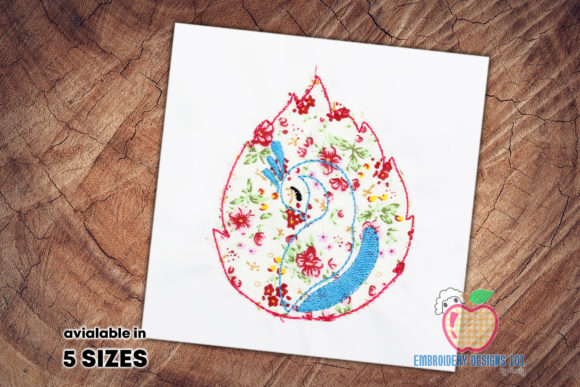
The title Design of Peacock in the Polygon suggests a stylized, geometric interpretation. This isn’t a soft, realistic bird. It’s likely a structured, modern pattern with clean lines. That first impression is key. For customers walking past a booth, this design will feel bold and decorative, leaning towards a contemporary aesthetic rather than rustic or farmhouse. This gives it a distinct niche. In a sea of floral and cute designs, a geometric peacock can stand out immediately, attracting buyers looking for something with a graphic, premium feel.
Where This Design Shines on Products
Not every design works on every product. Based on its likely bold lines, here’s where I’d focus my production for a craft fair booth.
- Tote Bags & Market Bags: This is a prime candidate. A large, graphic peacock on a canvas tote becomes a statement piece. The design’s structure will look clean and intentional, elevating a simple bag.
- Pillow Covers: As a focal point on a pillow, this design moves from accessory to home decor. It suggests a modern, artistic sensibility, perfect for boutique makers.
- Embroidered Patches: Given its applique description, this could be fantastic as a standalone patch. Patches are hot sellers. A geometric peacock patch on denim or a backpack has strong appeal.
- Aprons & Tea Towels: For kitchen items, the design adds an artistic touch rather than a purely utilitarian one. It might skew more towards a decorative apron for display than a heavy-duty work apron.
- Caps: The curved surface of a cap can be tricky. A design with too many dense areas can pucker. The polygon style might work if the shapes are open and not overly dense, but this requires a test.
- Small Pouches & Giftable Items: At a smaller size, it becomes an accent. On a fabric pouch or wallet, it adds a unique, handmade quality that feels special.
Practical Production Considerations for Your Small Shop
Turning this digital embroidery file into a batch of craft fair products requires practical checks. The description mentions applique and color-change steps, which are crucial details.
Stitch Density and Fabric Compatibility
Applique often means larger areas are covered with fabric pieces, not just stitches, which can help manage stitch density. However, the polygon shapes might have filled areas. On textured fabrics like tea towels or thick fabrics like canvas, you need the right stabilizer to prevent puckering. Always test on scrap fabric first. Dense stitch areas on a towel’s loose weave can look messy. On smooth cotton for a pillow cover, it should be fine.
Scale: Focal Point vs. Small Accent
Design of Peacock in the Polygon likely works best as a medium to large focal design. Reducing it too much for a small cap or tiny pouch might lose the clarity of the polygonal shapes and details. The “steps separated by color change” is a gift for production—it makes monitoring the embroidery process easier. For batch production, this repeatable, logical color sequencing is efficient.
Photography and Online Listings
For your Etsy shop or printable mockups, this design should photograph well. Bold, graphic designs with clear color contrasts pop in product photos. Make sure your thread colors have strong contrast against your fabric choices—a dark design on a light bag, or vice versa. This is essential for customer attention online.
Booth Display and Customer Engagement
At the fair, how does this design help your booth? A well-executed Design of Peacock in the Polygon on a high-quality tote bag displayed front-and-center creates visual anchor. It speaks to a specific buyer: someone looking for modern, artistic handmade goods. It can enhance your brand consistency if your shop leans toward geometric or contemporary styles. Having a real, physical mockup—not just a digital image—is vital. Customers touch and feel embroidery. They respond to the texture of applique and the precision of the stitches.
Critical Designer Notes Before You Sell
Here’s my final checklist before I’d commit to producing commercial embroidery products with this file.
- Hoop Size & File Formats: The description says it comes in multiple embroidery file formats. Confirm your machine’s specific format and the required hoop size. Don’t assume.
- Test Thread Contrast: Run the design on your chosen product fabric with threads that pop. A beautiful design gets lost with poor color choice.
- Inspect Applique Placement: If it uses applique, ensure the fabric pieces align cleanly in the polygonal shapes. This affects the handmade quality perception.
- Check Commercial Licensing: Always verify the license terms for the digital embroidery file. Ensure you can legally sell the finished products.
- Create a Real Sample: Make one complete, finished product—a tote or pillow—to judge the final look, production time, and material costs. This is your best sales tool.
In conclusion, Design of Peacock in the Polygon presents a strong opportunity for craft fair sellers and embroidery business owners. Its geometric, modern take on a peacock sets it apart. It’s versatile across several key products, particularly tote bags, patches, and pillow covers, where its bold graphic nature can command attention and add perceived value. With careful production testing focused on stitch density, scale, and fabric choice, this design can translate from a digital asset into a profitable, beautiful handmade product for your booth.