Bear Cutie: A Craft Fair Seller's Market-Ready Embroidery Design
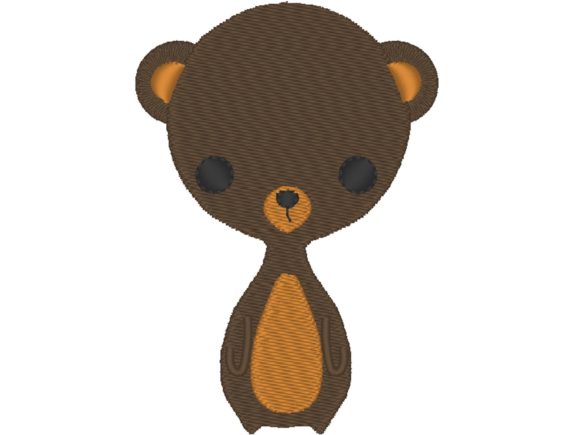
As an embroidery designer preparing for a weekend craft fair, my first step is always to review a design not just for its cuteness, but for its commercial viability. When I look at Bear Cutie, the immediate impression is pure, approachable charm. This design feels soft and gentle, squarely in the Baby Animals category, but with a universal appeal that leans neither too rustic nor too modern. It’s decorative, premium in its emotional value, and fundamentally giftable.
The First Booth Display: Where Bear Cutie Will Shine
Imagine a table laden with embroidered tote bags, aprons, tea towels, and small pouches. Bear Cutie won’t be a loud, bold shout across the aisle; it will be a warm, inviting whisper that draws people closer. Its strength lies in creating a focal point on products meant for personal use or heartfelt gifts. On a simple canvas tote bag or a crisp pillow cover, it transforms a basic item into a special one. For boutique makers targeting customers looking for something sweet and sentimental, this embroidery design is a perfect match.
Evaluating Bear Cutie Across Key Craft Fair Products
The real test is how it performs on the actual products you’ll produce and display. Here’s my practical judgment:
- Tote Bags & Market Bags: Excellent. The design scale likely works as a centered, medium-sized focal point. It’s easy to understand at a glance—a cute bear—making it perfect for shoppers browsing quickly.
- Aprons & Kitchen Towels: Strong contender. On an apron pocket or the corner of a tea towel, Bear Cutie adds that handmade quality that elevates a functional item. Be mindful of textured towel fabric; a good stabilizer is key.
- Caps: A careful-use application. The curved surface of a cap can distort designs. Before batch production, test this embroidery file on a scrap cap fabric to check for any tiny details that might lose clarity.
- Embroidered Patches: This could be a standout seller if the design is suitable. Patches are incredibly popular. However, you must inspect the stitch density and small details. If Bear Cutie has very dense stitch areas, a patch on thick fabric might become too stiff.
- Fabric Pouches & Small Gift Items: Ideal. This is where the “cutie” factor maximizes product value. A small pouch with this embroidery feels like a complete, premium gift, enhancing your booth’s display strength.
- Pillow Covers: Works well as a repeating accent or a single, charming centerpiece. It creates brand consistency if your shop specializes in cozy, home decor themes.
Practical Production Notes for Batch Selling
Turning a digital embroidery file into a stack of sellable products requires a production-focused review.
Photography & Online Sales: For your Etsy listings or printable mockups, Bear Cutie should photograph beautifully. Its clear, cute theme translates well online, which is crucial for digital sellers and small shop owners. Create at least one real mockup on your chosen product (like a tea towel) to capture authentic texture and thread contrast.
Batch Production & Repeatability: This design appears highly repeatable. It likely doesn’t involve complex, time-consuming color changes or excessive stitch count, making it efficient for producing multiple tote bags or aprons for your fair inventory. Always confirm the actual hoop size required before starting batch work.
Fabric & Thread Considerations: On dark fabrics, test thread colors for contrast—a pale bear on a black bag might need bright highlights. For all products, especially caps or textured items, using the right stabilizer is non-negotiable to maintain design integrity.
Customer Attention and Handmade Value
At a bustling fair, Bear Cutie will engage buyers through its emotional resonance. It doesn’t just decorate a product; it suggests a story—of warmth, childhood, or a gentle gift. This directly affects perceived handmade quality and justifies a slightly higher price point than a plain item. It encourages “add-to-basket” behavior, especially when paired with complementary products in your display.
Final Designer Checklist Before the Fair
Before you load your hoop and start producing your craft fair products, run through these essential steps. They separate a hobby project from a commercial embroidery success.
- Test on Scrap Fabric: Embroider Bear Cutie on a scrap of the exact fabric you’ll use (canvas, linen, towel) to check for any puckering or detail loss.
- Review Spacing & Density: Look closely at the embroidery file output. Are there areas of extreme stitch density that might be tough on certain fabrics? Do tiny details, like small eyes, remain clear at your intended size?
- Compare Fabric Colors: Make samples on light and dark backgrounds to see which sells the design’s appeal best for your brand.
- Confirm Licensing: The product description states this is a digital design for machine embroidery. You must explicitly confirm that commercial use is permitted before selling any finished product. Do not assume.
- Plan Your Booth Sample: Your best-looking mockup—perhaps a tote bag embroidery or a pillow cover—should be prominently displayed in your booth as the hero sample that attracts customer engagement.
In summary, Bear Cutie is a market-ready embroidery design with strong potential for craft fair sellers and handmade shop owners. Its sweet, baby animal theme offers versatile application across high-demand products like tote bags and gift items, while its clear design supports efficient batch production. By following careful production practices and showcasing it on the right products, you can turn this digital embroidery file into a reliable source of customer delight and sales at your next event.