Practical Insights for Using 'Keep a Safe Distance' in Your Projects
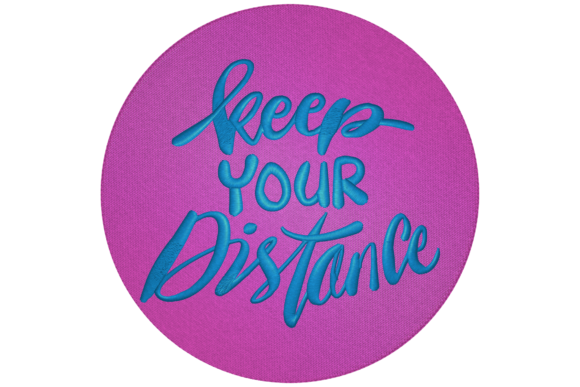
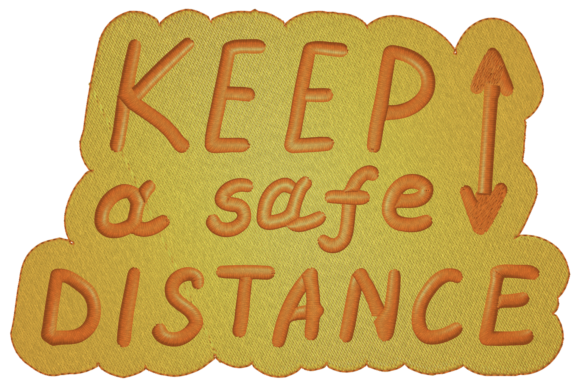
When a new embroidery design lands on my screen, I immediately start thinking about how it will look stitched out, how it will behave on different fabrics, and what kind of finished product it would make. My first impression of 'Keep a Safe Distance' was a warm, humorous, and surprisingly versatile design. It carries a lighthearted mood, perfect for a family-centric category. The layout feels balanced, the text has a friendly, almost handwritten personality, and the accompanying graphic elements are charming without being overly intricate. It doesn’t scream loud; it invites a smile. This is a design that naturally belongs on gifts, casual apparel, and home decor—items meant to convey a personal touch.
Where This Design Finds Its Perfect Home
I immediately pictured this embroidery file on a cozy, heather-gray sweatshirt. It’s the kind of piece a small shop could sell as a quirky, comfortable loungewear item, or a crafter could make as a personalized gift for a friend who appreciates a good laugh. The theme is universal and timely, yet handled with a soft touch. Beyond sweatshirts, I think it would shine on a canvas tote bag—a practical, everyday item that carries a bit of personality. A simple, clean pillow cover in a living room or nursery would also be a fantastic canvas; the message feels protective and caring in that context.
For creative entrepreneurs, this opens doors. Imagine offering it as a custom option on baby onesies or toddler bibs in your Etsy shop, paired with a cute animal graphic. It could be a standout piece on an apron for someone who loves to cook for their family. As a small business owner, you could use it for limited-run merchandise, creating a sense of community around a shared, gentle sentiment. It’s adaptable. For commercial embroidery projects, like a boutique’s branded tea towels or a craft fair’s best-selling patches, it has that immediate visual appeal that engages buyers without needing explanation.
Real-World Use: Stitching Out the Design on a Tote Bag
Let’s walk through a real scenario. I’m preparing a custom embroidered tote bag for a client who wants a fun, useful gift. I’ve selected a medium-weight cotton canvas. My first step is always to test the design on a scrap of the same fabric. With 'Keep a Safe Distance', I’m looking at the stitch density—how packed the fills are. A balanced density is crucial for a tote bag that will be used and washed frequently; too dense can make the fabric stiff, too light might not hold up. The available sizes mean I can choose a version that fits my hoop comfortably without cramping the details.
The design appears to rely on clean satin stitches for the lettering and likely fill stitches for any graphic elements. On light fabric, I’d plan for a crisp thread color contrast, perhaps a bold navy or black. On a dark bag, I’d switch to a bright, opaque white or pastel. Stabilizer choice is key here, especially on a bag that doesn’t have much natural stability; a good cutaway will keep everything looking sharp after years of use. I’d also inspect the small details in the preview—any tiny corners or decorative accents—to ensure they’ll stitch cleanly at the size I’ve chosen.
Considerations for Tricky Applications
While 'Keep a Safe Distance' is versatile, some applications require extra thought. On very textured fabrics like a thick sweater, the clarity of the lettering might soften, which could be a charming effect or a loss of definition depending on your goal. Stretchy fabrics, like t-shirts, demand the right stabilizer and possibly a slightly reduced size to prevent puckering. Embroidering on curved surfaces, like a cap, would require careful positioning as the text layout might distort on the curve.
If using the smallest of the five available sizes, pay close attention. Tiny lettering can sometimes become a series of dots rather than clear lines if the digitizing isn’t optimized for that scale. Always stitch a sample first. For products destined for frequent washing—baby items, kitchen towels, aprons—the integrity of the stitches after laundering is paramount. A well-digitized design with appropriate density should hold up, but testing confirms it.
The Impact on Your Product’s Value and Appeal
Using a design like this well elevates your finished product. On a handmade pillow, it adds a layer of thoughtfulness, increasing its giftability. For a small shop product, it contributes to brand consistency if your vibe is warm and humorous. The professional execution of the embroidery—clean stitches, good placement, thoughtful color choices—builds customer trust. They see a quality handmade presentation.
In printable mockups for your digital product listings, or in photos of your actual crafts, 'Keep a Safe Distance' has strong recognition. It communicates its message quickly, which is good for buyer engagement. For commercial embroidery, where you’re producing multiples, it’s a design that stitches efficiently without excessive thread changes or time, protecting your margins while delivering a visually appealing result.
Essential Designer Notes Before You Hoop
Before you commit this design to a final project, run through this practical checklist. First, always test on scrap fabric that mimics your final material. Check thread color contrast against both light and dark backgrounds—create simple black and white mockups in your software to visualize it. Review the actual stitch file in your machine software to confirm the stitch types and density look appropriate for your fabric.
Confirm your hoop size can accommodate the design size you’ve chosen without forcing you into a tiny, awkward corner. Inspect the design for any particularly dense areas that might require a stabilizer upgrade. Crucially, check the licensing terms of the design. If you’re selling the finished physical products—the tote bags, sweatshirts, pillows—ensure you have the right to do so. If you’re a digital product seller reselling the embroidery file itself, that’s almost always prohibited unless explicitly stated. This step protects your craft business.
Finally, think about the context. Does 'Keep a Safe Distance' fit the mood of your project? For a family-oriented gift, holiday present, or boutique product aiming for a friendly tone, it’s a strong candidate. Its strength is in its relatable theme and clean execution. Approach it as a design asset that needs your skill to bring it to life on the right product, with the right preparation, and it will reward you with a charming, professional-looking finished product.