Happy Boy New Year Redwork: A Practical Designer's Review
A Festive Design with Immediate Charm
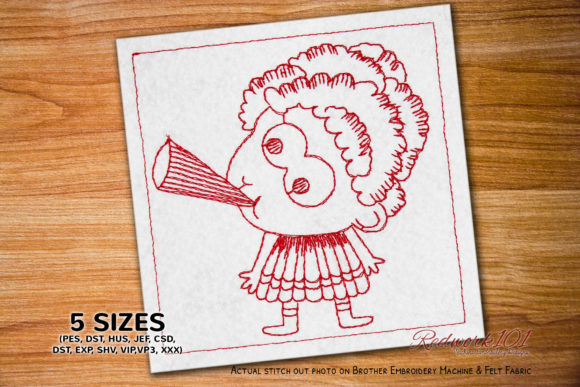
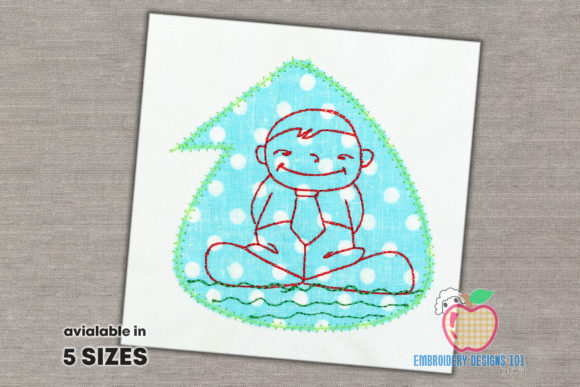
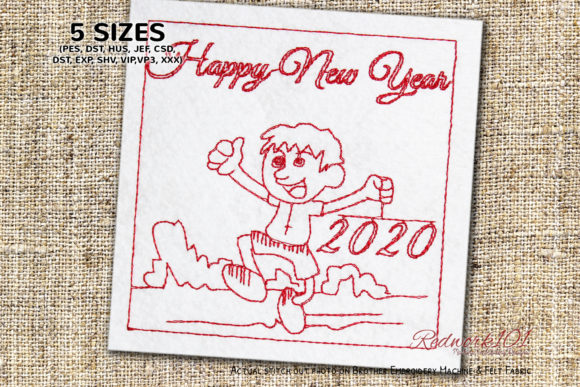
When I first opened the Happy Boy Celebrating New Year Redwork embroidery file, the impression was clear: this is a straightforward, joyful design with a specific purpose. It’s not overly complex, but it has a celebratory mood that feels both classic and cheerful. The theme is unmistakable—a boy in a moment of New Year’s celebration—and the redwork style suggests a clean, single-color execution that can be powerful in its simplicity. The layout appears balanced, and the detail level seems appropriate for a design meant to be recognizable and heartwarming without being too dense. This isn’t a design trying to be everything; it has a visual personality that says “happy celebration,” and it belongs naturally to projects where that sentiment is the entire goal.
Where This Design Excels in Real Projects
I mentally started placing this on various items, imagining the stitchout. For a custom apparel project, like a child’s sweatshirt or a simple t-shirt, it would be a charming, personalized gift. On a tote bag, it would become a fun, seasonal accessory. Given the Boys category, it obviously shines on baby clothes, nursery decor, or a little boy’s blanket—items meant to mark the New Year for a young family. As an embroidered patch, it could be applied to a cap or backpack easily. I also thought of holiday gifts for grandparents: a kitchen towel or a pillow cover with this design would carry a handmade, sentimental value that’s often more appreciated than a store-bought item.
For small business merchandise, an Etsy seller or craft fair vendor could easily incorporate this into a limited holiday collection. On an apron for a festive family gathering, or on the corner of a tea towel, it adds a boutique touch without overwhelming the product. For digital product sellers, this design serves as a clear, usable asset for customers looking for exactly this theme—it’s a specific solution, which is valuable. In commercial embroidery projects, say for a local business’s holiday staff gifts, it offers a professional yet friendly look.
A Specific Scenario: The Holiday Tote Bag
Let’s walk through a real case. Imagine I’m preparing a custom embroidered tote bag as a New Year’s gift for a client who has a young son. I’d choose a neutral, sturdy fabric for the bag. The Happy Boy Celebrating New Year Redwork design, stitched in a classic red thread, would sit prominently on one side. The redwork style means I’m considering thread color contrast carefully; on a light fabric, it will pop beautifully. The design’s clarity and single-color approach would make it look crisp and intentional after stitching, not messy or overdone. The client’s reaction would likely be one of recognition and delight—it’s a direct, emotional image. This is where the design’s value lies: in its ability to convey a specific, happy moment simply and effectively, increasing the perceived value and giftability of the finished product.
Considerations for a Successful Stitchout
This design, however, should be used with some practical caution in certain situations. The description notes that the box stitch shown is optional, and the outer box color can vary. This is a crucial point. If the box is part of the design file, its stitch density and corners need attention, especially on smaller hoop sizes. On textured fabrics like some towels, or on thin, stretchy fabric for t-shirts, using proper stabilizer is non-negotiable to maintain the design’s shape. Embroidering on dark fabric would require a rethinking of the redwork concept—perhaps using a light thread instead to maintain the style’s effect.
On curved surfaces like caps, the design’s overall shape would need to be hooped and positioned carefully to avoid distortion. Any tiny lettering or very small details within the boy’s figure should be inspected in a test stitchout; dense stitch areas could pucker on lightweight fabrics. For products that need frequent washing, like baby clothes or kitchen linens, ensuring the stitch coverage is secure and the threads are high-quality will affect longevity and customer trust in your handmade presentation.
How This Design Impacts Your Work and Business
From a professional standpoint, using a design like Happy Boy Celebrating New Year Redwork affects several things beyond the stitch itself. Its visual appeal is straightforward, which aids in stitching clarity—there’s less chance of a confusing stitchout. For a craft business, offering products with this design can create brand consistency if you specialize in holiday or children’s items. It engages buyers looking for that exact theme, potentially increasing sales for your Etsy listings or small shop products. The professionalism comes from how well you execute it; a clean stitchout of a simple, recognizable design often looks more professional than a messy stitchout of a complicated one.
Essential Designer Notes Before You Hoop
Before running this machine embroidery design on a client’s item or your own merchandise, do your due diligence. Always test the design on scrap fabric first, using the same material and stabilizer you plan for the final project. This checks the actual stitch density, reveals any potential issues with small details, and confirms the hoop size you need. Check thread color contrast against your final fabric background—consider testing it in a black and white mockup to see the form clearly. If the optional box is included, decide if it enhances your specific product or if you should skip it as the description suggests.
Most importantly, confirm licensing before selling finished items or using it in commercial projects. The product description doesn’t specify license terms, so you must verify this yourself. Can you sell the physical embroidered tote bag or baby blanket? Can you use the design file as part of a digital product bundle? Never assume. This step protects your business and maintains professionalism. Also, assess whether the design works on both light and dark fabrics for your product range, and always use the appropriate stabilizer for the fabric texture. These simple checks separate a hobbyist experiment from a reliable, sellable finished product.
The Final Verdict for Practical Use
The Happy Boy Celebrating New Year Redwork embroidery design is a solid, thematic asset. It won’t be the centerpiece of every project, but for its niche—holiday projects, children’s items, and cheerful gifts—it delivers exactly what it promises. Its simplicity is its strength, allowing for clean execution on a variety of products from apparel to home decor. For the embroidery designer, small business owner, or crafter, it provides a ready-made solution that, when stitched carefully and applied thoughtfully, can enhance your product offerings and satisfy customers looking for that specific New Year’s joy. Just remember: test first, verify licensing, and match it to the product that needs its particular brand of happiness.