Evaluating Pineapple Slices Embroidery Design for Real Projects
Every embroidery designer knows the moment of opening a new file: that first look tells you if a design is just decorative or truly practical for the work you do. When I came across the Pineapple Slices Design on Creative Fabrica, my initial thought was for a custom baby blanket order. This isn't a generic product description; it's my honest evaluation after considering this machine embroidery design for real, commercial projects.
First Impressions and Visual Mood
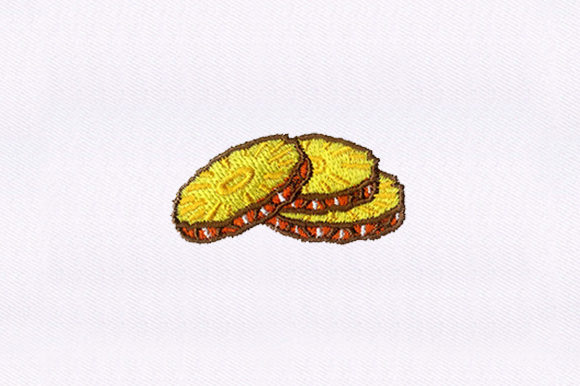
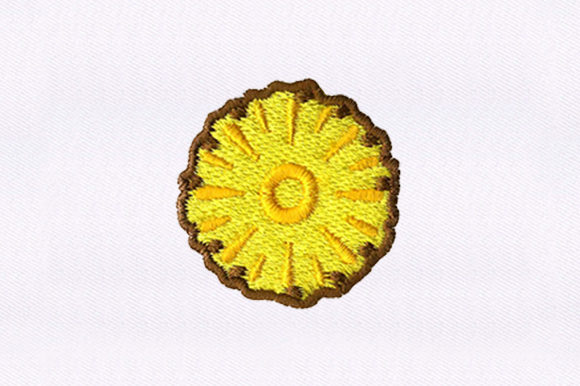
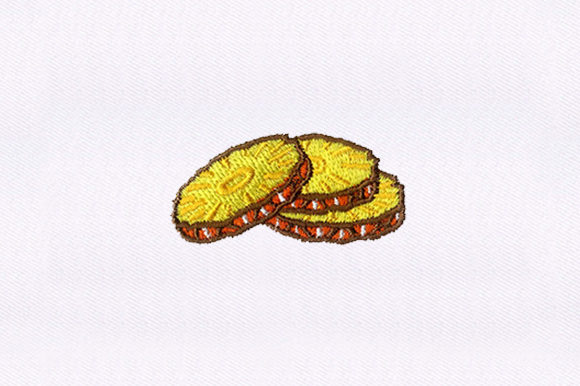
The Pineapple Slices Design immediately presents a cheerful, sunny personality. It leans towards decorative appeal with a clean, illustrative style that feels modern rather than cartoonish. The detail level suggests a focus on distinct shapes—the slice itself, the leafy crown—rather than hyper-realistic texture. This stitching personality makes it a versatile candidate. It naturally fits projects that need a bright, friendly touch: kitchen towels, aprons, summer tote bags, or nursery decor. The mood isn't overly complex, which is often a strength; it promises to stitch cleanly without losing its character on textured or stretchy fabrics.
Planning for Real Embroidery Performance
Thinking about real embroidery work means moving beyond the preview image. My primary consideration was how this Pineapple Slices Design would perform across different applications. For custom apparel like sweatshirts or caps, the design's likely composition—a central, contained motif—is promising. On curved cap surfaces, a design with overly dense stitch areas can pucker, but a balanced fill stitch approach should help.
For items like patches or pillow covers, where a crisp finish is paramount, the integrity of small details is key. I always advise checking the product page for specific hoop size information, as this dictates your project scope. Without that detail provided in the specifications, you must confirm it on the Creative Fabrica product page before planning. For small hoop sizes, the design’s potential tiny lettering or intricate layered details would need careful inspection after a test stitch.
From Digital File to Physical Product
The practical transition from an embroidery file to a finished product is where designs prove their worth. The listed embroidery file formats are extensive—10O, ART, CND, DSB, DST, DSZ, EXP, HUS, JEF, PCS, PEC, PES, TAP, VIP, VP3, XXX—which indicates wide machine compatibility, a crucial point for commercial embroidery and small business owners running different machines. This is a significant practical advantage.
For dark fabric applications, like on a black tote bag, the visual appeal hinges on thread color contrast. A test on scrap fabric with your chosen palette is non-negotiable. Similarly, for products destined for frequent washing—baby blankets, kitchen towels—you must review stitch density in your test and use proper stabilizer. A design that is too dense can become stiff and uncomfortable; one that is too light may not survive washes. This Pineapple Slices Design, from its aesthetic, seems to aim for a middle ground, which is often ideal for handmade products meant for use.
Affecting Product Value and Customer Trust
When you're an Etsy seller or a boutique owner, the embroidery design you choose directly impacts product value, buyer trust, and handmade presentation. A design that stitches out cleanly and consistently elevates visual appeal and reinforces brand consistency. The Pineapple Slices Design, with its friendly food theme, has strong giftability, especially for summer-themed items or nursery gifts.
For product photography and customer engagement, a clear, well-defined motif like this helps. It creates a focal point that is easily understood in listing photos and printable mockups. In a crowded marketplace like craft fairs, a design with immediate, positive recognition—like a sunny pineapple—can enhance customer engagement. It speaks a visual language that is approachable and joyful.
Essential Practical Notes Before Stitching
Before committing this design to a customer order, my process involves several concrete steps. First, I run a test on the exact fabric type I plan to use—whether it's textured, stretchy, or a standard cotton. I compare light and dark fabric mockups digitally to plan my thread schemes. I then physically stitch the test, inspecting small details like the points of leaves or the edges of the slice for any potential issues with running stitch or satin stitch borders.
Crucially, I always confirm file details and licensing on the Creative Fabrica product page before selling finished items. The specifications provided are the blueprint, but understanding the license terms for commercial embroidery is fundamental for digital product sellers and creative entrepreneurs. This due diligence protects your business and ensures your handmade shop operates with confidence.
Final Thoughts on Project Fit
After this evaluation, the Pineapple Slices Design emerges as a strong candidate for specific project types. Its strengths seem to be its broad file format support and its cheerful, clear aesthetic. It would likely excel on items where a single, bright emblem is desired: the center of a baby blanket, a statement on an apron or towel, a fun patch on a backpack.
Potential considerations remain universal: without specific stitch count or hoop size information in the provided specs, you must gather that from the product page. This design may not be suited for extremely miniature applications unless its composition is confirmed to be simple at a small scale. For apparel decorators and handmade shop owners looking for a reliable, sunny food-themed embroidery file, this design warrants a close look. It feels designed for real-world use, not just as a digital asset, which is the mark of a design worth downloading for your next pineapple-inspired project.