An Embroidery Designer's Review of the Mushroom Design
As a professional embroidery designer, I evaluate every design not just for its aesthetic appeal, but for its real-world viability in small business branding and merchandise. Today, I'm reviewing the Mushroom embroidery file, considering its potential for patches, uniforms, caps, and branded products. From the specifications provided, we know this is a machine embroidery design with a 4×4 hoop size, categorized under Food and Embroidery.
The Visual Personality and Business Impression
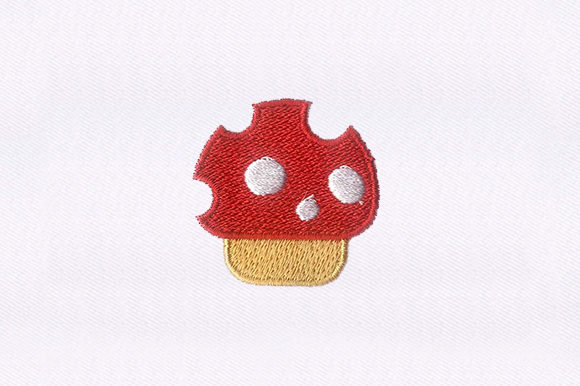
The title Mushroom immediately suggests a natural, earthy, and potentially whimsical motif. For a small business, this is a powerful starting point. In my first impression, a well-executed mushroom design can convey a range of brand personalities: rustic and handmade for a café or bakery, playful and friendly for a creative studio or children’s brand, or even elegant and premium if styled with clean lines for a boutique or florist. The 4×4 hoop size indicates it’s a contained, focal-point design—perfect for a logo accent rather than a sprawling scene.
This visual personality directly impacts customer trust and recognition. A clean, professional embroidered mushroom on an apron or tote bag signals a business that values craftsmanship and attention to detail. It elevates simple merchandise, transforming a plain cap or work shirt into a cohesive part of your brand identity.
Real-World Applications for Small Business Merch
Let’s walk through concrete scenarios. Imagine a local café wants branded aprons for staff and tote bags for customer purchases. The Mushroom design, embroidered on the chest of an apron, becomes an immediate identifier. It’s subtle yet distinctive. For a handmade shop or Etsy seller specializing in natural goods, this design could become the central emblem on a custom apparel line or a embroidered patch applied to product packaging as a seal of authenticity.
Optimal Uses for the Mushroom Embroidery File
- Embroidered Patches: The 4×4 size is ideal for creating a standalone patch. This patch can then be ironed or sewn onto denim jackets, backpacks, or even used as a product label on handmade items.
- Chest Logos & Sleeve Details: On staff uniforms or polo shirts, this size works perfectly as a left chest logo or a small sleeve accent, maintaining professionalism.
- Cap Embroidery: On the front panel of a cap, a 4×4 design is classic and highly visible, great for event merch or team wear.
- Tote Bag Design: Centered on a canvas tote, it creates a stylish, reusable bag that customers will associate with your brand.
- Apron Design & Product Packaging Accents: As mentioned, aprons are a perfect canvas. Similarly, a small embroidered mushroom on a cloth bag or pouch adds a premium touch.
Considerations and Careful Application
While the Mushroom design holds great promise, practical application requires a designer’s scrutiny. The 4×4 hoop size is a guide, but how the design scales down is critical for some items.
- Small Patch Sizes & Cap Fronts: If you need the design smaller than the full 4×4 for a tiny patch or a curved cap front, you must test the embroidery file at reduced sizes. Check if fine details, like possible gill lines or stem texture, remain clear without becoming overly dense.
- Stitch Density & Fabric Texture: On textured fabrics like canvas or twill, a design with high stitch density can look magnificent, but on finer or stretchy fabrics, it might require specific stabilizer techniques to prevent puckering.
- Dark Uniforms & Thread Contrast: If your business uses dark work shirts or aprons, thread color selection is paramount. You might need to opt for a lighter, contrasting palette for the mushroom to pop.
- Items for Frequent Washing: For merchandise meant for daily use and washing, like uniforms, the design's integrity is key. A robust outline and sensible stitch count will ensure it lasts.
Impact on Brand Identity and Product Value
Incorporating a consistent embroidered motif like Mushroom across your merchandise creates visual consistency. A customer sees the same design on your employee’s cap, your store’s tote bag, and the tag on your handmade product. This repetition builds strong brand recognition and enhances perceived value. An embroidered item feels more handmade and premium than a printed one, increasing buyer engagement and making your merch more desirable as a customer gift or loyalty item.
For a business in the Food category, a mushroom design could perfectly represent a focus on natural ingredients, foraging, or earthy aesthetics. For others, it simply becomes a unique, memorable symbol. The act of investing in quality digital embroidery files for commercial embroidery projects signals that you invest in your brand’s presentation.
Practical Designer Notes Before You Begin Production
Before you commit this design to a batch of fifty tote bags or staff uniforms, follow these steps. They save time, money, and ensure your finished product reflects your brand perfectly.
- Test in Black and White First: Run a sample on your machine using a simple black thread on white fabric and white on black. This reveals the design's fundamental form and any potential issues with spacing or clarity without the influence of color.
- Check Performance at Small Patch Size: If you plan to use it smaller than 4×4, stitch a sample at that size. Assess detail loss.
- Review Thread Color Contrast: Experiment with color palettes that suit your brand and the application fabric. A mushroom might use browns and creams, but consider brighter tones for playfulness or metallic threads for premium appeal.
- Test on Real Fabric: Don't rely on the digital preview. Stitch it on the exact fabric you'll use for the final product—the apron cotton, the cap mesh, the tote bag canvas.
- Use Proper Stabilizer: Match your stabilizer to the fabric and the design’s stitch density. This is the foundation of a clean embroidery.
- Create a Printable Mockup for Client Approval: If you’re an embroidery shop creating for a client business, generate a mockup showing the Mushroom design on the proposed garment. This visual confirmation prevents misunderstandings.
- Compare Beside Other Design Assets: Place the stitched sample beside your other branding elements (logos, fonts). Does it feel cohesive?
- Confirm Commercial Licensing: The specifications list the design type, but always verify the license terms of the embroidery file before using it for commercial business products. Ensure you have the right to use it for the scale of your project.
Ultimately, the Mushroom embroidery file, with its defined 4×4 scope, presents a versatile opportunity for small businesses looking to add tangible, textured branding to their world. By approaching it with this practical, designer-minded review, you can transform a simple food-inspired motif into a robust asset for your brand identity, building trust and value stitch by stitch.