Bizarre Quilting Design: A Practical Review for Makers
When I first opened the Bizarre Quilting Design, I had a specific project in mind: a custom embroidered pillow cover for a client’s eclectic living room. I wasn’t just looking for a decorative pattern; I was looking for a design that would stitch out cleanly, hold visual interest, and justify the time and materials I’d invest. This review is my practical judgment, based on that need and years of stitching for both hobby and business.
The First Stitch Impression: Where Does This Design Belong?
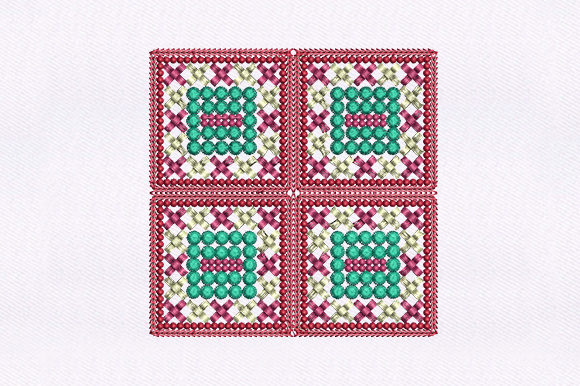
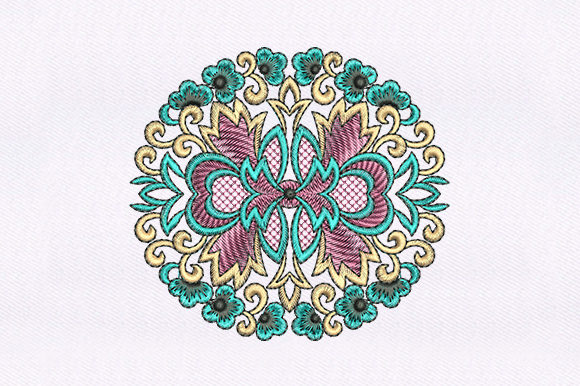
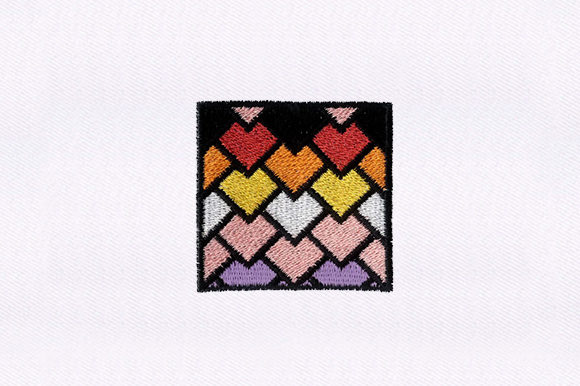
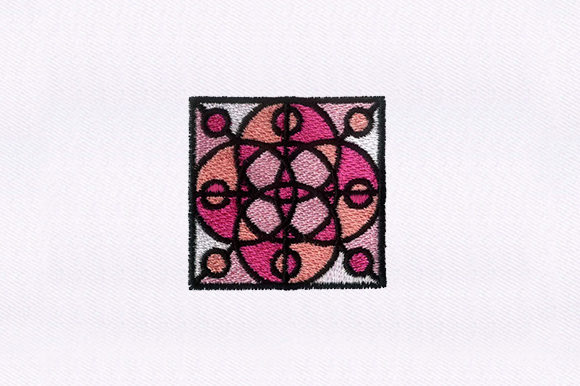
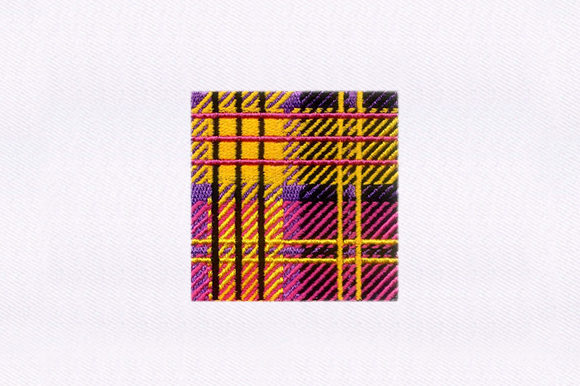
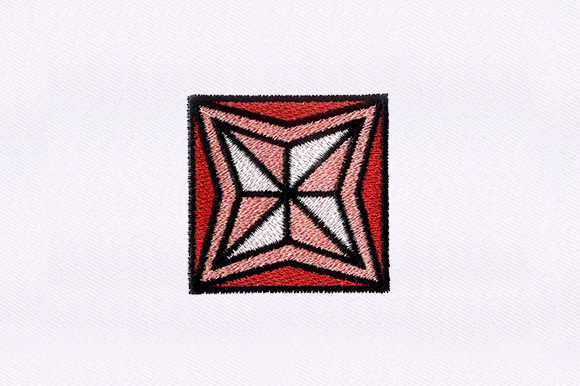
The “Bizarre” in the title is a mood, not a warning. It suggests an offbeat, artistic quilting pattern—something that feels curated and intentionally unique. The layout isn’t chaotic; it’s structured with an abstract, geometric personality. For makers, that means it carries a visual weight suitable for statement pieces. My immediate thought was that this wouldn’t be a tiny accent on a baby bib, but a focal point on a tote bag, a bold centerpiece on a sweatshirt, or the perfect art for a decorative pillow. It has the detail level to look like a premium, handmade product, not a generic clip-art.
Real-Life Embroidery Scenario: The Boutique Tote Bag
Imagine you’re preparing a tote bag for your Etsy shop or a craft fair. You want it to stand out, to feel like a one-of-a-kind find. The Bizarre Quilting Design, with its intricate, non-repeating elements, is perfect for that. Stitched onto a natural canvas bag, it would create an immediate handmade presentation that appeals to buyers looking for something beyond mass-produced. The design’s complexity adds perceived value—customers see the time in the stitches. For apparel decorators, a similar principle applies: stitching this onto the back panel of a premium sweatshirt transforms it into a boutique product.
Performance on Actual Projects: Where It Shines and Where to Be Careful
This design, given its likely composition of fills and satin stitches, performs beautifully on stable, medium-weight fabrics. Think quilt covers, pillowcases, aprons, kitchen towels, and structured tote bags. The stitch density needs a good foundation, so a sturdy stabilizer is your best friend here. I would confidently use it for personalized gifts like embroidered blanket edges or decorative nursery decor wall hangings, where the fabric won’t be stretched or heavily manipulated.
However, for thin or stretchy fabrics—like certain t-shirts or lightweight baby clothes—you’d need to be meticulous. High stitch density areas could pull or pucker without the right stabilizer strategy. Similarly, on curved surfaces like caps, the design’s detailed corners might require careful hooping and adjustment to maintain clarity. Always, always test it on a scrap of your project fabric first. This isn’t a critique of the design file itself, but a universal rule for any intricate embroidery file.
A Note on Dark Fabrics and Visual Clarity
For dark fabric backgrounds, thread color contrast is paramount. This design’s appeal relies on the clarity of its shapes. Using a stark white, a bright metallic, or a contrasting pastel thread would make it pop on black or navy, turning it into a striking graphic for modern apparel. Before committing, I’d run a simple black-and-white digital mockup to see how the shapes hold up without color, a great trick for judging underlying composition.
The Business Angle: Customer Trust and Commercial Use
For creative entrepreneurs, using a design like this on your products affects more than aesthetics; it affects customer trust. A clean, well-executed stitch-out of a complex pattern signals professionalism. It tells your buyer you invest in quality assets and execution. Whether you’re making holiday gifts, wedding presents, or small shop merchandise, the finished product feels considered and skilled.
Before selling any finished item, you must confirm the licensing terms for this embroidery file. The provided formats—including PES, JEF, DST—indicate wide machine compatibility, which is excellent for commercial embroidery operations. But the license for the digital embroidery file itself dictates whether you can sell the physical products you make with it. Always verify that. For digital product sellers offering printable mockups, this design could serve as a stunning visual asset in previews, showcasing the potential of the file.
Practical Designer Notes Before You Hoop
My process for a new design like this is methodical. First, I check the hoop size requirement—not listed in the specs, so I’d ascertain that from the file itself or the vendor. A design this detailed likely needs a larger hoop to preserve integrity. Next, I inspect the small details in the file preview: are there tiny elements that might become a blur of stitches? I’d stitch a test on scrap fabric identical to my final project material, using my planned stabilizer. I’d observe the stitch density—does it feel overly heavy for a garment that needs frequent washing, like an apron? For a pillow cover, that density is a benefit, adding texture and durability.
Finally, I consider thread colors. For a “bizarre” quilting theme, a curated palette can enhance the mood. Perhaps muted tones for a vintage look, or bright pops for a contemporary gift. The design itself is your canvas; your thread choices complete the artistic statement.
Embroidery as a Final Product
In the end, the Bizarre Quilting Design isn’t just a digital file; it’s a potential centerpiece for your work. It fits projects where you want the embroidery to be the conversation, not just a decoration. From a custom embroidered patch applied to a jacket to a standalone art piece on a tea towel, its strength is in its distinctive personality. Use it where that personality aligns with your product’s story, and stitch it with the care that any good design deserves. Your finished product will thank you, and your customers will notice.