A Designer's Review of Blocking Quilting Design
As an embroidery designer preparing for a weekend craft fair, every design I choose is a strategic decision. Today, I’m reviewing Blocking Quilting Design, a machine embroidery design I’m considering for my booth. My goal is to see if it has the visual appeal, practicality, and selling power to stand out on a crowded table full of handmade goods.
First Impression: Bold and Modern Graphic Appeal
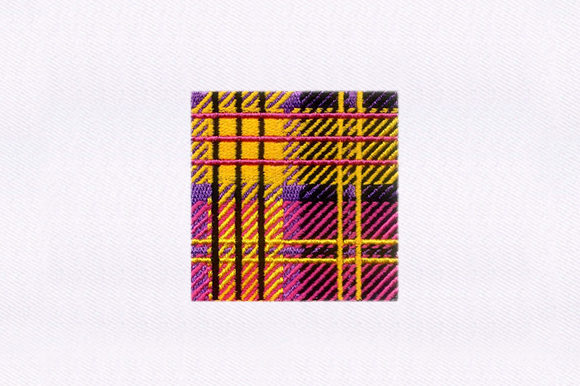
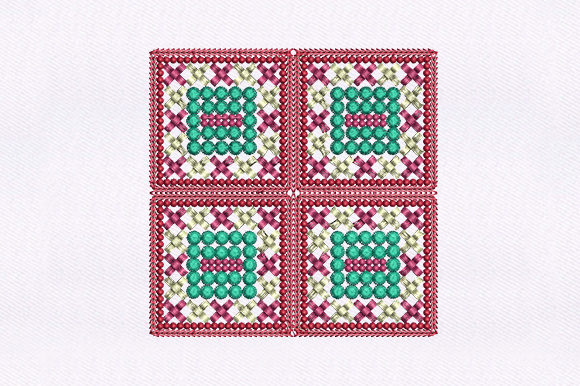
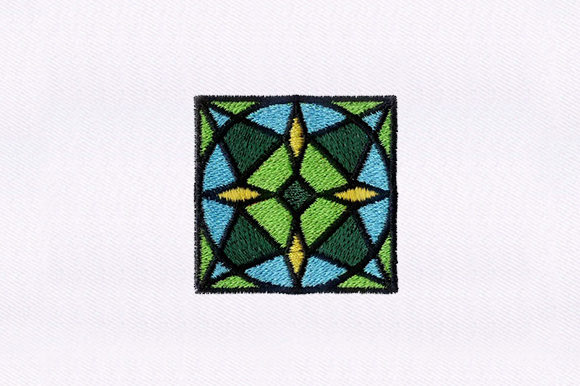
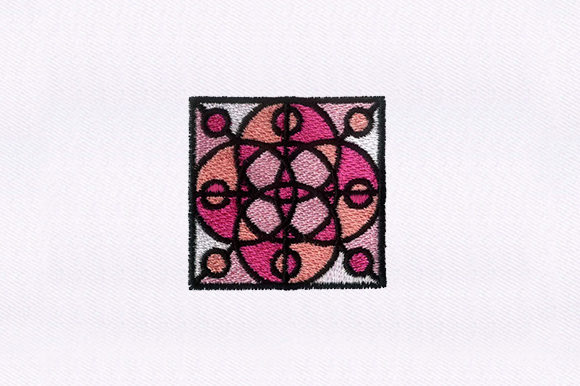
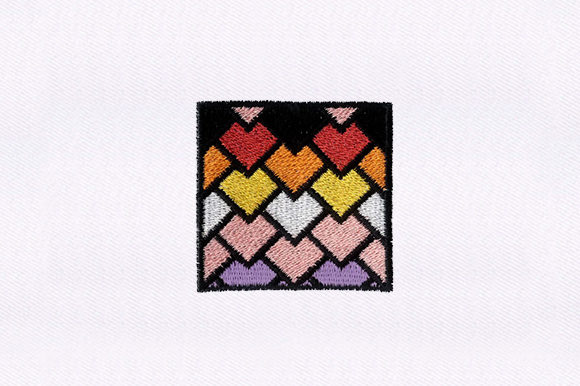
The title Blocking Quilting Design immediately suggests structure, geometry, and a clean aesthetic. This isn’t a soft, floral design; it feels bold, modern, and graphic. In a market saturated with cute and rustic motifs, a design with this kind of strong, defined character can act as a visual anchor on a display table. It communicates a sense of order and premium craft, which can attract customers looking for something decorative yet sophisticated. It has the potential to feel both minimalist and artistically intentional, a combination that often resonates with buyers at handmade markets.
Craft Fair Product Performance: Where It Stands Out
I envision my booth with embroidered tote bags, aprons, tea towels, caps, pillow covers, and small pouches. For Blocking Quilting Design, the product choice is critical to maximize its impact.
Tote bags and market bags are a prime candidate. The design’s graphic nature would translate beautifully as a large, central focal point on a solid-color bag. It creates a high-value, statement piece. On aprons and kitchen towels, especially those with a more modern, minimalist aesthetic, it could serve as a striking accent near the hem or pocket, elevating a simple functional item into a designer kitchen accessory.
For smaller items like fabric pouches or pillow covers marketed as bedroom accents, the design could be scaled to fit perfectly as a centered motif. Its structured feel aligns well with contemporary home decor. As an embroidered patch, however, I’d be cautious. The success depends entirely on the density and detail. If the design has very dense stitch areas or tiny intricate lines, reducing it to a patch size might lose clarity and look muddy. It’s best suited for products where it can be showcased at a moderate to larger size.
Practical Production & Selling Points
From a production standpoint, a design like this needs careful evaluation before batch embroidery for a fair.
Understanding Design Clarity at a Glance
A key selling point at a craft fair is instant comprehension. Customers should understand the design’s beauty in a glance as they walk past. Blocking Quilting Design, with its likely geometric elements, should have good visual clarity. This makes it excellent for booth samples—it catches the eye quickly. This same clarity is a boon for Etsy listings and printable mockups; it photographs well and looks crisp in digital storefronts, communicating handmade quality effectively.
Batch Production and Practical Considerations
For producing multiple items, I consider repeatability. A clean, graphic design often stitches out reliably with consistent results, which is ideal for batch work. However, the practical notes are crucial:
- Stitch Density: High-density areas can be challenging on textured fabrics like tea towels or thick fabrics like canvas for tote bags. It may require a heavier stabilizer.
- Fabric & Color: This design would shine on smooth, mid-weight fabrics. Contrast is key—using it on dark fabric demands bright, contrasting thread colors to maintain its bold impact.
- Curved Surfaces: Applying it to a curved surface like a cap requires testing; distortion could compromise the clean lines.
- Hoop Size & File Details: The product description lists many embroidery file formats (10O, ART, CND, DST, PES, etc.), which is excellent for versatility across machines. However, the specific hoop size required isn’t stated. Before production, I must check the design’s actual dimensions in my software to ensure it fits my intended products and hoops efficiently.
Boosting Booth Appeal and Buyer Engagement
In a live selling environment, Blocking Quilting Design affects several layers of success. Its strong graphic appeal can increase product value perception. A tote bag with this design looks more like a designer item than a generic craft, allowing for a slightly higher price point. It also contributes to brand consistency if your shop leans toward modern, structured aesthetics.
For booth display strength, grouping several products featuring this same design creates a powerful, cohesive visual block that draws customers in. It shows confidence in the design and makes your table look professionally curated. This directly influences buyer engagement; people are more likely to stop and ask, “What is this pattern?” creating an opening for a sales conversation about your craft.
Essential Designer Notes Before Selling
No review is complete without a hands-on test. Before committing Blocking Quilting Design to any craft fair product or commercial embroidery, I follow a strict checklist:
- Test on Scrap Fabric: Stitch it out on the actual fabric I plan to use (canvas for bags, cotton for towels, etc.).
- Check Thread Contrast: Experiment with thread colors against various background fabrics to find the most striking combination.
- Review Spacing and Density: Look for any overly dense sections that might pucker the fabric or require special stabilizer handling.
- Create a Real Mockup: Embroider one complete, finished product—a pillow cover or tote bag—to see the real-world result. This sample can then become a star item in the booth display.
- Confirm Commercial Licensing: The description mentions it’s a machine embroidery design for sale. As a digital seller turning it into finished products, I must verify the license terms allow for commercial use of the embroidered items I plan to sell.
Ultimately, Blocking Quilting Design presents a compelling opportunity for craft fair sellers targeting customers who appreciate modern, graphic handmade goods. Its strength lies in its bold visual character, which translates well to statement products like tote bags and home decor. With careful attention to fabric choice, thread contrast, and production testing, it can become a standout, profitable element in your handmade market lineup. It’s a design that doesn’t whisper; it declares itself, and on a bustling craft fair table, that declaration can be exactly what catches a buyer’s eye.