Why This Ethnic Quilting Embroidery Design Captures Customer Attention
A Design That Communicates Craft and Heritage
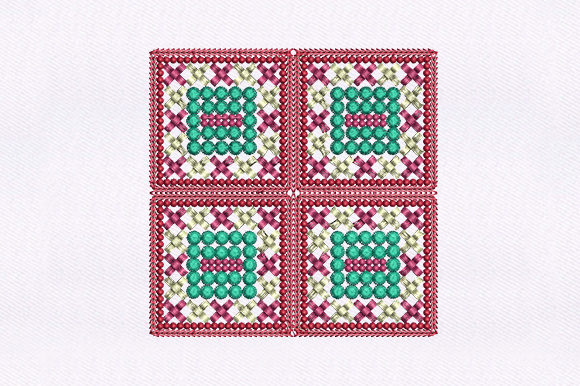
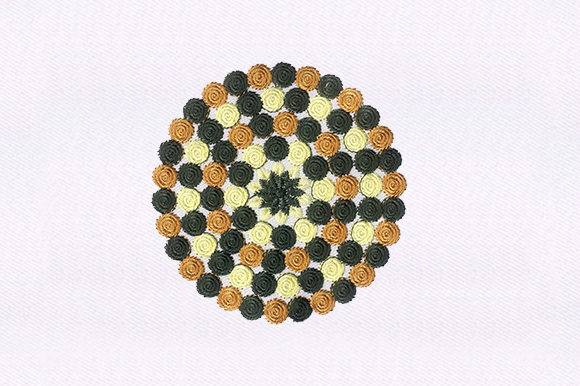
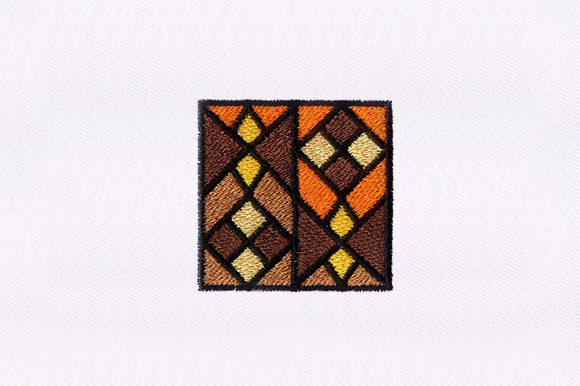
When I first opened the Ethnic Quilting Design embroidery file, my immediate impression was one of handmade quality and decorative warmth. This isn't a cute or funny motif; it carries a feeling of rustic artistry and premium detail. For a craft fair booth, this is key. Customers walking by are drawn to pieces that feel substantial and skillfully made. The "ethnic quilting" theme suggests tradition and craftsmanship, which elevates the perceived value of any product you apply it to. It feels both decorative and elegant, a combination that sells well in the handmade market space.
Practical Product Performance: Where This Design Stands Out
My review always starts by imagining the design on the actual products I'll produce for my booth. For the Ethnic Quilting Design, its intricate, patterned nature makes it a versatile focal point.
Tote Bags and Market Bags
This design is a strong contender for tote bags. The complex pattern looks impressive and substantial on a larger canvas like a bag front. It communicates that the bag isn't just utility; it's a piece of art. The design's density means it will hold up visually against wear and look rich on both light and dark fabric bases, provided thread contrast is high.
Home Goods: Pillow Covers and Tea Towels
Given the product category is listed as Bedroom, pillow covers are a natural and excellent fit. An embroidered pillow with this design becomes a statement decor item. On kitchen towels, however, caution is needed. The textured surface of a tea towel can obscure fine details if the stitch density isn't optimized. This design may need a very good stabilizer on terry cloth to keep its clarity.
Smaller Accents: Patches, Pouches, and Caps
For smaller items like fabric pouches or patches, the scale becomes critical. If the design has tiny, intricate details, they may lose definition when stitched small. It's worth testing at a reduced size to see if it remains coherent. On curved surfaces like caps, the pattern's edges must be carefully hooped and stabilized to prevent distortion. As an embroidered patch, it could be stunning and sell as a standalone item for crafters.
Production Considerations for Batch Creation
For an embroidery business owner preparing for a fair, production practicality is everything.
Stitch density is my first concern with a design like this. Dense stitch areas can lead to longer stitch-out times and require more robust stabilizers, especially on thinner fabrics like apron linen or bag cotton. I always test on scrap fabric first to check for puckering and to confirm the thread colors I've chosen pop against the background.
The breadth of included embroidery file formats (DST, PES, JEF, etc.) is a major advantage. It means almost any machine owner, whether using a commercial embroidery setup or a home machine, can use this file. This is perfect for digital sellers and Etsy sellers selling the files themselves, as it caters to a wide audience. However, I must advise: always confirm the specific hoop size required and check the commercial licensing terms before selling finished products. The listing provided formats but not those crucial details.
For batch production, this design feels repeatable. Its aesthetic is consistent and would help build brand consistency across a product line. The design is easy to understand at a glance—it’s clearly a quilting pattern—which helps customers quickly recognize its theme and value.
Craft Fair Booth Strategy and Buyer Engagement
At the fair, your booth display tells a story. A sample Ethnic Quilting Design tote bag hung prominently acts as a powerful anchor. Its complexity invites closer inspection. Customers touch embroidered work; they feel the texture of the stitches. This design creates that tactile interest.
For online listings and printable mockups, the design photographs well because it has strong visual interest without relying on color alone. A clean, high-contrast photo of it on a pillow or bag will show the detail effectively. This is vital for creative entrepreneurs selling both digitally and in person.
Pairing products creates a stronger display. Imagine a pillow cover with this embroidery next to a simpler, solid-color throw. The embroidery becomes the hero, highlighting your skill. It also allows you to offer a range—a higher-value pillow and a smaller, lower-cost item like a embroidered patch—to engage buyers at different price points.
Final Designer Notes Before You Stitch
- Test on scrap fabric that matches your final product material—whether it’s thick bag canvas or a smooth pillow cover cotton.
- Check thread contrast. On dark fabrics, you may need brighter or lighter threads. On light fabrics, richer tones might be better.
- Review spacing and detail. Look closely at the file preview. Are there any extremely small elements that might blend together when stitched?
- Create at least one real mockup for your booth. A physical sample tells you more than any screen preview.
- Compare fabric colors. How does the design look on natural linen versus white cotton versus a dark denim? Offer variety in your finished product line.
- Remember, the handmade product appeal is in the execution. Using the right stabilizer for the fabric texture is non-negotiable to maintain that premium, clean look.
The Ethnic Quilting Design has the substance to become a standout line in your craft fair product offerings. It speaks to buyers looking for something with artistry and depth, moving beyond simple decoration. With careful production testing, it can translate from a powerful digital embroidery file into even more powerful handmade goods that capture attention and justify their value on your sales table.