The Tumbling Honey Bee Embroidery Design: A Real-World Review
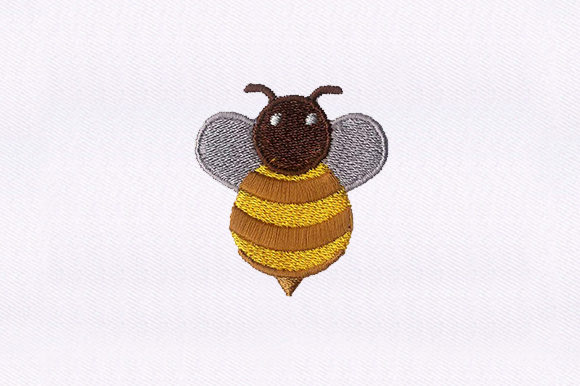
When you’re preparing for a project—whether it’s a client’s custom order or stock for your small shop—your first instinct is to gauge a design’s personality. The Tumbling Honey Bee makes a playful, friendly first impression. Its dynamic pose suggests motion, a little bee caught in a gentle roll rather than a rigid flight. This creates a mood of whimsy and approachable charm, perfect for projects that need a touch of lightness and joy.
Where This Bee Naturally Belongs
This isn’t a formal, scientific illustration; it’s a character. That visual personality tells you immediately what kind of embroidery project it suits. I envisioned it on a child’s sweater or a nursery blanket instantly. But its appeal extends further. I recently used it to create a set of kitchen towels for a boutique client looking for a fresh, non-floral motif. The tumbling shape added a unique, modern touch that stood out against typical fruit or floral designs. It would be equally charming on a tote bag for a garden club gift or as a small accent on the corner of a linen apron.
For crafters and Etsy sellers, this translates into versatile product potential. Think personalized baby gifts, cheerful pillow covers for a spring-themed line, or a simple embroidered patch applied to a cap. The layout, with its central focus and clear detail level, means it reads well at a glance—a key factor for merchandise at craft fairs or in online mockups where visual clarity drives engagement.
Stitching It Into Reality: Performance Notes
With a specified hoop size of 6×6, the Tumbling Honey Bee fits into a comfortable mid-range category. This is a practical size for many real-life embroidery situations. It’s substantial enough to be a feature on a sweatshirt pocket or the front of a tea towel, but not so large that it overwhelms delicate fabrics like a baby’s blouse. On a tote bag, it occupies a nice central panel without demanding excessive stitching time.
That said, a 6×6 design does contain areas of detail. In this bee, I’d pay close attention to the outlines and any potential fine elements like wing veins or small antennae. On textured fabrics like a knit sweater, these details can soften beautifully, adding to the handmade feel. On very smooth, thin fabrics, however, they’ll require proper stabilizer and careful thread tension to maintain stitching clarity. For dark fabric backgrounds, thread color contrast is paramount. A classic honey bee palette of yellows, blacks, and perhaps a translucent white for wings would pop beautifully, but on a navy or black garment, you might consider a slightly brighter gold to ensure the design doesn’t recede.
Scenarios That Demand a Careful Approach
While versatile, every design has its optimal matches and its cautious applications. The Tumbling Honey Bee, with its likely use of satin stitches for the body and fill stitches for details, should be used carefully on highly stretchy fabrics like certain t-shirts without adequate stabilizer. The stitch density in a filled area could cause puckering. Similarly, on curved surfaces like caps, the design’s orientation and the “tumbling” angle should be tested on a scrap first to ensure it sits correctly on the curved panel.
For products destined for frequent washing—think baby items or kitchen linens—the integrity of those small details under friction is a consideration. A clean, well-digitized file with sensible stitch lengths will hold up better. This directly affects customer trust and the perceived value of your handmade product. A design that lasts enhances your brand consistency and professionalism.
From Digital File to Finished Product Value
How does this embroidery file translate into commercial and creative success? For apparel decorators and small business owners, the Tumbling Honey Bee offers strong giftability and recognition. Bees are a beloved, universal theme. Applying it to a simple product like a cotton pillow cover or a set of handkerchiefs can create a quick, desirable line for holiday gifts or wedding favors. For digital product sellers offering the design itself, its clear appeal and practical hoop size make it a solid design asset for other makers.
The real impact on buyer engagement comes from the final stitched presentation. A well-executed version of this bee, with crisp contrasts and a smooth stitch field, looks intentional and skilled. It elevates a basic garment or accessory, making it feel like a boutique product rather than a generic craft. This is the magic for creative entrepreneurs: a good design, properly applied, turns a blank canvas into a story piece.
A Designer’s Practical Checklist Before Hooping
Before committing this bee to a client’s custom apparel or your next batch of shop merchandise, run through these real-world checks. They save time, materials, and reputation.
- Always test on scrap fabric first. Use a similar weight and texture to your final project fabric. This reveals any issues with stitch density or small detail clarity.
- Check thread color contrast on both light and dark backgrounds. Create simple black and white mockups if needed to visualize the form, but real thread on fabric is the true test.
- Confirm the exact hoop size and machine compatibility. The specification states a 6×6 hoop size. Ensure your machine and project base can accommodate this comfortably.
- Inspect the small details in the embroidery file preview. Look for any overly tiny elements that might merge into a blob when stitched. This is crucial for maintaining the design’s character.
- Use the proper stabilizer for your fabric. This is non-negotiable for achieving professional results, especially on stretchy or thin materials.
- Review the licensing terms. If you are selling finished products or digital products using this design, explicitly confirm the licensing permissions before you proceed. This protects your craft business.
Embroidery is a translation from digital idea to tactile art. The Tumbling Honey Bee is a design with a cheerful spirit and practical scale. By judging it through the lens of real projects—the baby blanket, the boutique tote, the custom cap—you can see its true potential. It’s a friendly, engaging motif that, when stitched with care, adds genuine value and delight to your work and to the products you create.