A Professional's Review of the Dressed Up Cute Devil Redwork Design
As a professional embroidery designer working with countless small businesses, I regularly evaluate digital designs for their real-world application. Today, I’m examining the Dressed Up Cute Devil Redwork Design from a commercial perspective, focusing on its potential as a versatile asset for branded merchandise, patches, and apparel.
First Impressions and Visual Personality
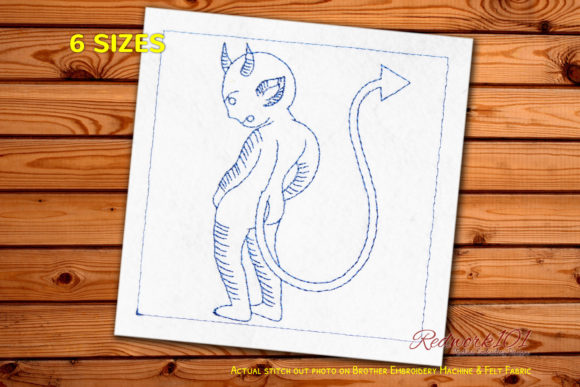
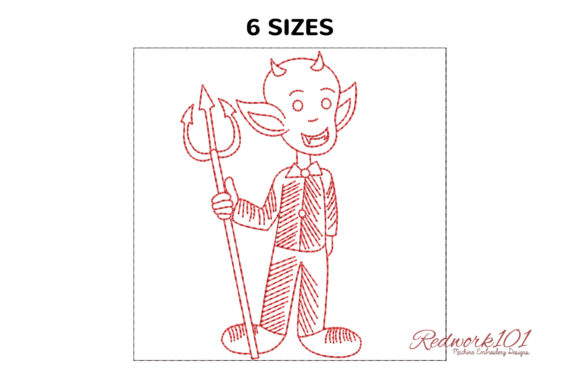
The immediate impression of this machine embroidery design is playful, crafty, and character-driven. The "Dressed Up" and "Cute" descriptors signal a friendly, approachable aesthetic, which is valuable for businesses aiming to project a warm, handmade, or slightly whimsical brand identity. It leans decorative, but its structured redwork style gives it a defined outline that promises good stitch clarity.
For a Halloween-themed business—like a seasonal café, boutique, or event merch creator—this design is a direct fit. For non-Halloween brands, its classic, almost folk-art devil motif could serve as a quirky, bold accent for brands with a rebellious, creative, or artisan personality.
Performance in Real Business Applications
Let’s translate this design into tangible small business merch. Its success hinges on application choice and technical execution.
Embroidered Patches and Branded Product Add-Ons
The Dressed Up Cute Devil Redwork Design has excellent potential as a standalone embroidered patch. Its defined borders and likely simpler color palette (the description notes the optional box stitch) make it suitable for cut-and-sew or iron-on patches. These can elevate product packaging as an accent, serve as customer loyalty gifts, or become sellable merchandise for Etsy sellers and craft businesses.
For custom apparel like staff uniforms, aprons, or work shirts, this design works best as a chest logo accent or sleeve detail. Its character-driven nature makes it memorable, aiding customer recognition for a bakery, pet brand, or creative studio wanting a distinctive mark.
Cap Embroidery and Tote Bag Design
Applying this to a cap embroidery requires careful size consideration. The design must be tested at a small scale to ensure details remain crisp on the curved front of a cap. For tote bag design or apron embroidery, the larger surface area is forgiving, allowing the design to become a central, branded feature that adds perceived value to the handmade product.
Commercial Embroidery and Design Assets
As a digital embroidery file, its utility extends to event merch, printable mockups for client approval, and as part of a suite of design assets for a brand’s visual consistency. The “redwork” style suggests a focus on outline and potential fill, which can be striking on dark uniforms if thread color contrast is high.
Considerations for Careful Use
Professional results depend on anticipating challenges. Here are key areas to assess before production.
- Small Patch Sizes and Detailed Outlines: Always test the design at your intended finished size, especially for small patches. Check that the cute devil’s features and any decorative elements remain distinct without becoming a blur of high stitch density.
- Fabric Texture and Stabilizer Choice: This design will behave differently on a canvas tote versus a sleek polo shirt. Using the proper stabilizer is non-negotiable for clean stitches on textured or stretchy fabrics.
- Frequent Wash Items: For uniforms or aprons that endure regular laundering, ensure the stitch structure is robust. A well-digitized redwork design should hold up, but it’s wise to test on a real fabric scrap and wash it repeatedly.
- Thread Color Contrast: The description mentions the outer box color is often different. This is a crucial note. Review the actual thread colors in the file. For dark fabrics, you may need to adjust colors for maximum visibility and brand alignment.
Impact on Brand Identity and Professionalism
Integrating the Dressed Up Cute Devil Redwork Design into your branding is a strategic decision. For a business, embroidery isn’t just decoration; it’s a signal of quality and attention to detail.
This design, when executed well, can enhance a brand’s playful, handmade presentation, fostering buyer engagement through its unique charm. It can make a staff uniform feel less corporate and more community-oriented, building customer trust for local businesses. However, its thematic nature means it should align with your brand’s core message. A florist using it might lean into a “wild” or “untamed” theme, while a café might use it only for seasonal Halloween merchandise to maintain visual consistency year-round.
Practical Designer Notes for Business Use
Before committing this design to a production run, follow these steps as part of your commercial embroidery process.
- Test in Black and White First: Run a test sew-out, even in a single color, to check the fundamental stitch integrity, spacing, and outline clarity without the distraction of color.
- Confirm Hoop Size and Create a Mockup: Match the design size to a practical hoop size for your production workflow. Then, create a printable mockup—placing the design on a digital image of a cap, apron, or tote—for client or internal approval.
- Compare Beside Other Assets: View the embroidered sample beside your other logo elements or design assets. Does it complement them? Does it feel cohesive?
- Check Commercial Licensing: The product description doesn’t specify license terms. It is imperative to confirm that your intended use—selling patched merchandise, decorating staff apparel—is covered under the file’s license before any business use.
- Review All File Details: Since exact stitch count, file format, and specific hoop size aren’t provided in the description, you must inspect the downloaded file itself for these critical production details.
In summary, the Dressed Up Cute Devil Redwork Design is a characterful, craft-forward embroidery file with strong potential for businesses seeking a playful branded accent. Its success in elevating your merchandise, patches, or uniforms will be determined by thoughtful application, rigorous testing, and ensuring it authentically supports your brand’s story and professional standards.