A Professional Review of the Detailed Horse Embroidery Design
First Impressions and Market Positioning
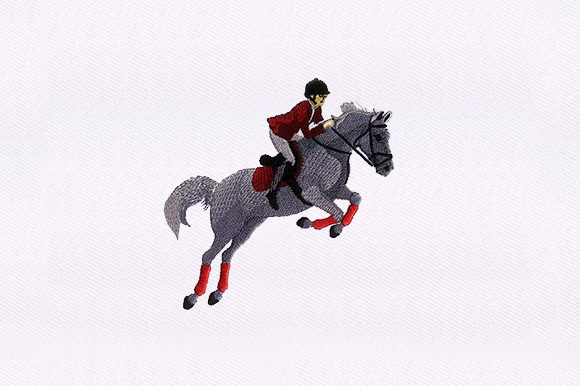
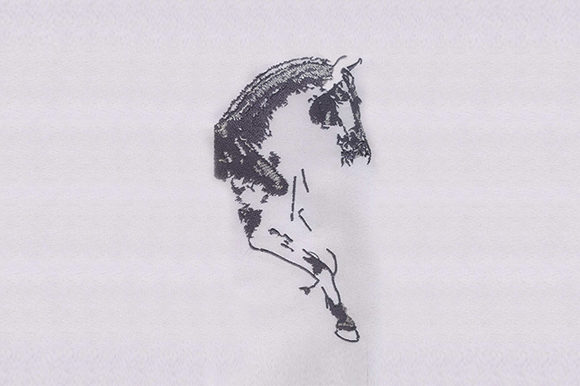
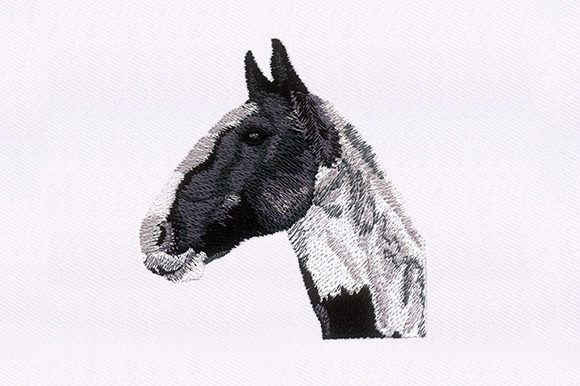
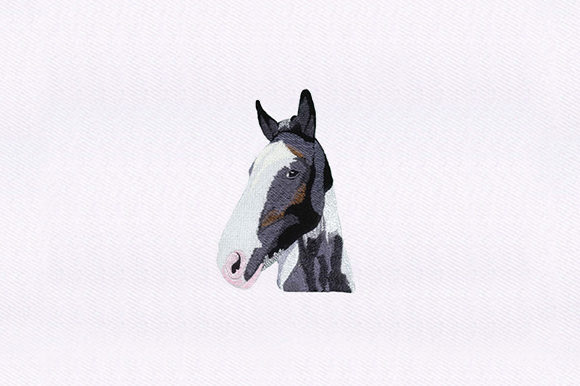
When I first loaded this Detailed Horse Design, I knew it would be a contender for my next craft fair. The title alone suggests a certain premium and elegant quality. It’s not a cute, cartoonish pony; it feels sophisticated and detailed, leaning towards a rustic yet decorative aesthetic. This is a key distinction for sellers. For handmade markets, this design taps into multiple popular niches: farmhouse style, equestrian lovers, and general animal decor that feels more artistic than whimsical. It has the potential to elevate a simple product, making it look less like a mass-produced item and more like a bespoke, handmade piece.
Where This Horse Design Stands Out on Products
My main task is to visualize where this embroidery design will shine on a crowded booth table. Let’s break down the likely winners.
Premium Home Goods & Wearables
The detailed nature of this horse makes it perfect for products where the embroidery is the central feature. Pillow covers are an excellent canvas—the design becomes a beautiful decorative accent. On tote bags and market bags, placed centrally, it creates a statement piece that customers notice immediately. For aprons, particularly in a linen or cotton fabric, it adds a touch of artisan quality that appeals to buyers looking for something special beyond basic kitchen wear.
The Accent & Patch Potential
This design also has strong potential as a focal point on smaller items. A single, well-placed horse on a fabric pouch or tea towel (avoiding the overly textured ones) can transform it into a giftable item. As an embroidered patch, it would be highly desirable for equestrian enthusiasts to apply to jackets or bags. However, the “detailed” aspect requires careful consideration of size. If minimized too much for a cap or a very small accent, those intricate details could lose clarity and become a muddy stitch blob, especially on curved surfaces.
Production Realities for Craft Fair Sellers
Turning a digital embroidery file into a sellable, profitable handmade product requires practical planning.
Stitch Density and Fabric Considerations
With a name like “Detailed Horse,” I immediately consider stitch density. Detailed often means more stitches and potentially denser areas. This can be stunning on stable fabrics like canvas for bags or quilting cotton for pillow covers, but it might pose challenges on thinner materials or fabrics with a lot of texture, like some terry towels. It’s crucial to test on scrap fabric first. You must use the right stabilizer to prevent puckering and maintain that premium look. Dark fabric choices require careful thought on thread color contrast to ensure the design pops and doesn’t get lost.
Batch Production and Visual Consistency
For batch producing items for your booth, this design is likely repeatable. It’s a singular, strong image that doesn’t rely on complex placement. This efficiency is great for Etsy sellers and small shop owners preparing inventory. The commercial embroidery viability is high, but note: the provided list of embroidery file formats (ART, DST, PES, etc.) is extensive, meaning it should work with most machines. Still, before production, confirm your specific hoop size requirements and always review the design spacing in your software to ensure it fits your intended product dimensions.
Photography and Booth Display Impact
How this design photographs is vital for online Etsy listings and for in-person appeal. A detailed, elegant design photographs beautifully for online listings, conveying handmade quality. In the booth, products featuring this design will attract customers who appreciate craftsmanship. It’s not a fleeting trend design; it has a timeless feel that can add brand consistency to a line of nature or animal-themed products. Displaying it on a mix of items—a pillow next to a tote bag—creates a cohesive, strong booth display that tells a story.
Engaging the Right Buyer
This Detailed Horse Design won’t appeal to everyone, but it will deeply engage a specific buyer. That’s perfect for craft fairs. It invites conversation—horse lovers will point it out. This engagement increases the likelihood of a sale. The design itself adds product value; customers perceive an intricately embroidered item as worth more than a simple printed one, allowing for a healthier profit margin.
Essential Designer Notes Before You Stitch
Before you commit this design to a batch of products, here is my checklist from years of doing this for fairs.
- Create at least one real mockup. Never rely solely on a printable mockup or screen view. Stitch it out on the actual fabric you plan to use.
- Compare fabric colors. Test the design on light, medium, and dark backgrounds to see which sells the look best.
- Inspect stitch density in your embroidery software. Identify any potentially overly dense sections that might need adjustment for your specific fabric.
- Check thread contrast thoroughly. A detailed design can lose definition if the thread color is too close to the fabric shade.
- Confirm commercial licensing before selling finished products. While the format list suggests wide usability, always ensure your license permits commercial use on the items you plan to make and sell.
- Finally, consider its size as an accent or focal design. For a large focal point on a pillow or tote, it will be stunning. For a small accent on a cap or pouch corner, verify the detail remains clear and crisp.
In summary, the Detailed Horse Design is a robust, elegant choice for embroidery businesses targeting craft fairs and handmade markets. Its strength lies in its premium feel and versatility across key products like totes, pillows, and aprons. With careful production testing focused on fabric, density, and size, this design can become a high-value, attention-grabbing star of your next booth display.