A Practical Review of the Calm Deer Embroidery Design
When you’re looking at a new embroidery file for real project use, it’s not just about the digital preview. You’re thinking about how it will actually stitch out, what kind of mood it will create on a finished product, and whether it will hold up in your specific application. That’s the lens I’m using to evaluate the Calm Deer Design.
The Immediate Mood and First Impressions
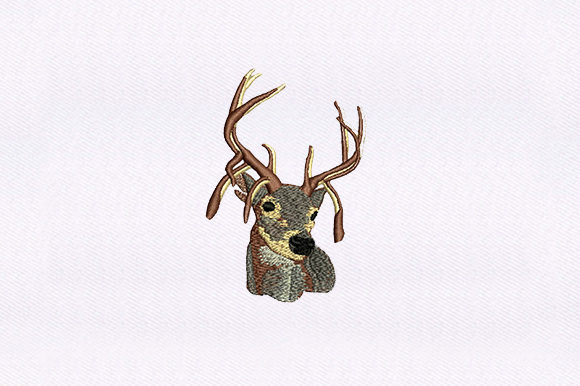
This design’s name, Calm Deer, really nails its visual personality. From the moment you open the file, the feeling is serene, gentle, and organic. The layout typically features a balanced, often symmetrical deer silhouette or a peaceful scene, avoiding overly aggressive angles or chaotic detail. This isn’t a hunting logo; it’s a symbol of quiet nature. That mood translates directly to your embroidery project’s final appeal.
For embroidery designers and makers, this means the design inherently leans towards products that evoke warmth, tranquility, or a connection to the natural world. Its visual personality feels handmade-friendly, which is crucial for crafters building a brand around authenticity.
Where This Design Thrives in Real Projects
Let’s walk through a specific scenario. Imagine you’re preparing a line of custom embroidered tote bags for a small shop or Etsy store. You want something that feels boutique, giftable, and universally appealing. The Calm Deer Design fits that niche perfectly.
On a natural canvas tote, the stitched deer creates an immediate connection—it suggests eco-friendliness, calmness, and simple beauty. A customer browsing your handmade product listings is likely to react positively to that subtle story. The same principle applies to linen pillow covers, organic cotton baby blankets, or minimalist apron designs. The theme elevates basic items into thoughtful, personalized gifts.
For apparel decorators, consider a soft, high-quality sweatshirt. A well-stitched Calm Deer on the chest or sleeve turns a generic garment into a statement piece about comfort and peace. It’s less about loud branding and more about embodying a feeling, which resonates deeply with modern buyers seeking meaningful merchandise.
This machine embroidery design also shines in holiday gift contexts, like a beautifully embroidered tea towel for a housewarming present, or a subtle patch on a cozy throw blanket. Its animal theme, without being overly childish, makes it suitable for nursery decor that parents actually want—something sophisticated and calm.
Practical Considerations and Stitching Performance
Now, for the real-world embroidery situations. With a design centered on a peaceful animal silhouette, you need to consider stitch clarity. The outline and internal details must be crisp to convey that serene feeling effectively. On fabrics like fleece for sweatshirts or textured canvas for tote bags, using the proper stabilizer is non-negotiable to prevent puckering and maintain that clean look.
Given the wide range of provided embroidery file formats, compatibility should be excellent across many machines, which is a huge plus for digital product sellers and commercial embroidery shops running different hardware. However, I always advise: test the design on scrap fabric first. Run it on both a light and a dark background to check thread color contrast. See how the satin stitches or fill stitches behave. This is your insurance policy for client projects.
Caution Areas and Careful Application
While the design is versatile, some applications require extra thought. If you’re considering very small hoop sizes—for instance, on a baby item like a tiny cap sleeve—you must inspect the small details in the preview. A dense stitch area scaled down too much can lose definition and become muddy.
Similarly, on stretchy fabrics like thin t-shirts or on curved surfaces like caps, the layout’s stability matters. A design with large, solid fill areas might behave differently on a curved cap panel versus a flat pillow cover. Always review the stitch density in your software preview before committing to the hoop.
Dark fabric backgrounds are another key test. The Calm Deer’s appeal depends on clear visibility. If the design uses many light threads, you might need to adjust your contrast strategy or even consider a slightly different color palette to ensure it pops on dark navy or black sweaters without looking washed out.
For products destined for frequent washing, like kitchen towels or everyday apparel, the integrity of the stitches over time is paramount. A robust, well-digitized design with secure running stitches and sensible density will hold up better, maintaining that handmade presentation and customer trust.
Turning a Digital File into a Valued Finished Product
The leap from a digital embroidery file to a product that sells is about perceived value. The Calm Deer Design, when stitched cleanly on appropriate materials, increases that value significantly. It looks professional, not generic. This builds brand consistency for creative entrepreneurs—if your shop carries a line of nature-inspired goods, this design becomes a coherent asset.
Its giftability is high because it feels intentional and artful, not mass-produced. For craft fair products or boutique branding, that’s a tangible advantage. In printable mockups for your Etsy listings or website, a clean deer embroidery conveys quality before the buyer even sees the physical item.
Essential Designer Notes Before You Hoop
Here are my practical, from-the-worktable tips for using this design successfully:
- Never skip the scrap fabric test. It reveals everything about tension, density, and color interaction.
- Check the specific hoop size recommendation in your file metadata, as it can vary between formats. Confirm it fits your physical project dimensions.
- Inspect small details like antler points or delicate lines. Ensure they will stitch clearly on your chosen fabric texture.
- Run a black and white mockup in your software. This helps you see the pure structure without color bias.
- Compare light and dark fabric backgrounds digitally to plan your thread choices.
- Use a stabilizer matched to your base fabric—this is the foundation of stitching clarity.
- Most importantly, confirm the licensing terms. If you’re selling finished items like embroidered patches or tote bags, or if you’re a digital product seller including it in a bundle, you must know the commercial use permissions. Never assume.
The Calm Deer Design is a strong candidate for a wide range of embroidery projects. Its serene mood and adaptable nature make it a valuable digital asset for hobbyists and businesses alike. By approaching it with this practical, real-use mindset—thinking about fabric, placement, and final customer reaction—you can transform it from a simple file into a truly cherished handmade product.