A Designer's Review of the Crafted Truck Embroidery
When a boutique sweatshirt project lands on my desk, my first step is always to evaluate the design files with a critical, practical eye. Today, it’s the Crafted Truck Design. This isn't just about opening a file; it's about visualizing how it will live on fabric, how it will feel in a customer's hands, and how it will represent the brand it’s applied to. For a small shop preparing a limited drop, every detail of the chosen embroidery design directly impacts the product's perceived value, identity, and ultimate success.
First Impressions: Mood and Layout
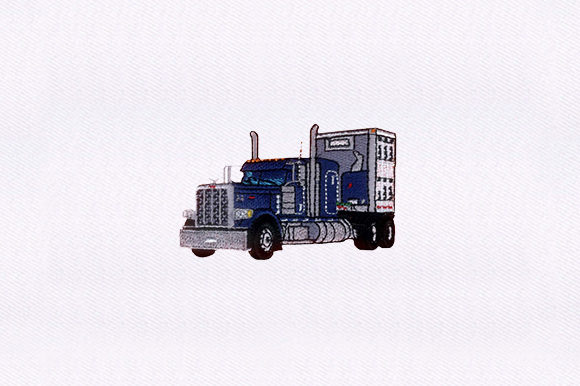
The title Crafted Truck Design immediately sets a tone. It suggests something intentional, a bit rustic, and grounded in a tangible, hands-on world. Without seeing the actual stitches, I’m anticipating a design that balances decorative detail with a casual, approachable vibe. It’s likely not overly sleek or minimalist, but carries a playful and sturdy character. For a transportation-themed piece, the layout needs to be stable and visually balanced—a design that sits well as a central chest emblem on an oversized hoodie or as a statement on the back.
Thinking about stitch personality, I’d expect clean outlines and filled areas that create a sense of substance. This isn’t a fine, delicate illustration; it’s a Crafted Truck. That implies weight and craftsmanship in the embroidery itself. The detail level should be sufficient to make the truck recognizable and charming, but not so dense that it becomes a stiff, heavy patch on a soft sweatshirt. The mood leans towards premium handmade product, not mass-produced generic apparel.
Application on Boutique Sweatshirts
For the core application—sweatshirt embroidery—this design’s success hinges on its interaction with fabric. On a premium, neutral sweatshirt like a heather grey or oatmeal, the Crafted Truck Design will pop with intentional contrast. Choosing thread colors becomes a key branding decision: classic red or blue for a bold look, or perhaps muted sage or terracotta for a more feminine, rustic aesthetic.
On dark fabrics—navy or black hoodies—the design must have enough solid fill areas to stand strong against the dark background, ensuring it doesn’t get lost. For pastel-colored sweatshirts, a softer thread palette could make it feel cute and seasonal, perfect for spring or cozy winter collections. Placement is everything. As a chest design, it establishes the brand’s identity from the front. As a sleeve accent, it adds a decorative touch. As a full-back design on a cozy sweatshirt, it becomes a statement piece for lifestyle product photography, instantly elevating the garment in mockup previews and Etsy listings.
Practical Concerns for Production
This is where my review turns deeply technical. The provided embroidery file formats—including DST, PES, JEF, and others—mean compatibility with most commercial and home machines, which is excellent for small shop production. However, the specifics like stitch density and recommended hoop size are not detailed here. Before hooping any fabric, I must check those parameters in my software.
A design meant for apparel, especially on thicker fabrics like sweatshirts, needs a balanced density. Too high, and it can be stiff and distort the knit fabric; too low, and it may look sparse. The choice of stabilizer is critical—a firm cutaway for stability on stretchy hoodie material is often my go-to. We must also consider washing durability; the design should be robust enough to withstand commercial laundering without losing definition.
Small-size readability is another test. If the boutique wants to offer the design on children’s apparel or as a smaller logo, the Crafted Truck Design needs to maintain its character when scaled down. The truck’s features should remain clear. Ultimately, I’m assessing whether this digital embroidery file feels strong enough for commercial apparel use. Does it have the substance and clean construction to sew out reliably time after time, building buyer trust through consistent quality?
Elevating Brand Identity & Product Value
An embroidery design isn't just decoration; it's a brand asset. The Crafted Truck Design applied to a sweatshirt transforms it from generic to specific. It tells a story. That story—of craftsmanship, of a playful journey, of rustic charm—becomes the brand’s story. For a small online shop, this visual recognition is priceless.
In product photography, a well-embroidered truck on a textured sweatshirt adds depth and a handmade touch that buyers connect with. It speaks to customer engagement far more than a printed graphic. In the hands of a customer, the tactile raised stitches reinforce the premium, crafted presentation. This directly affects perceived value and can justify a higher price point for the boutique’s merchandise.
For custom apparel branding, this design offers flexibility. It can be the central motif for a transportation-themed line, or a standalone decorative element on everyday cozy apparel. Its mood allows it to fit into a brand identity that values authenticity, creativity, and a touch of nostalgic playfulness.
Final Design Verdict for Your Shop
From my perspective as an embroidery designer preparing a boutique collection, the Crafted Truck Design holds strong potential. Its thematic nature suggests a clear, appealing visual. For it to succeed on sweatshirts, focus on the practical: test the embroidery file on your actual hoodie fabric with the right stabilizer. Experiment with thread color contrast against your chosen palette—neutrals, dark, and pastels.
Pay close attention to the unseen details within those file formats: the stitch count, underlay, and pull compensation. These will determine how flat and smooth it sits on the fabric texture. Remember, the design file is just the blueprint. Your execution—hoop placement, thread choice, and quality fabric—brings the Crafted Truck to life.
If executed well, this design can create a cohesive, desirable product for your limited drop. It feels casual enough for everyday wear, decorative enough to be special, and rustic enough to tell a story. It reinforces a handmade product ethos that small shop customers seek. Before production, verify all the technical specs your machine requires. Then, hoop your best sweatshirt, and let that crafted truck roll onto the fabric, ready to carry your brand’s identity forward.